How the approach works
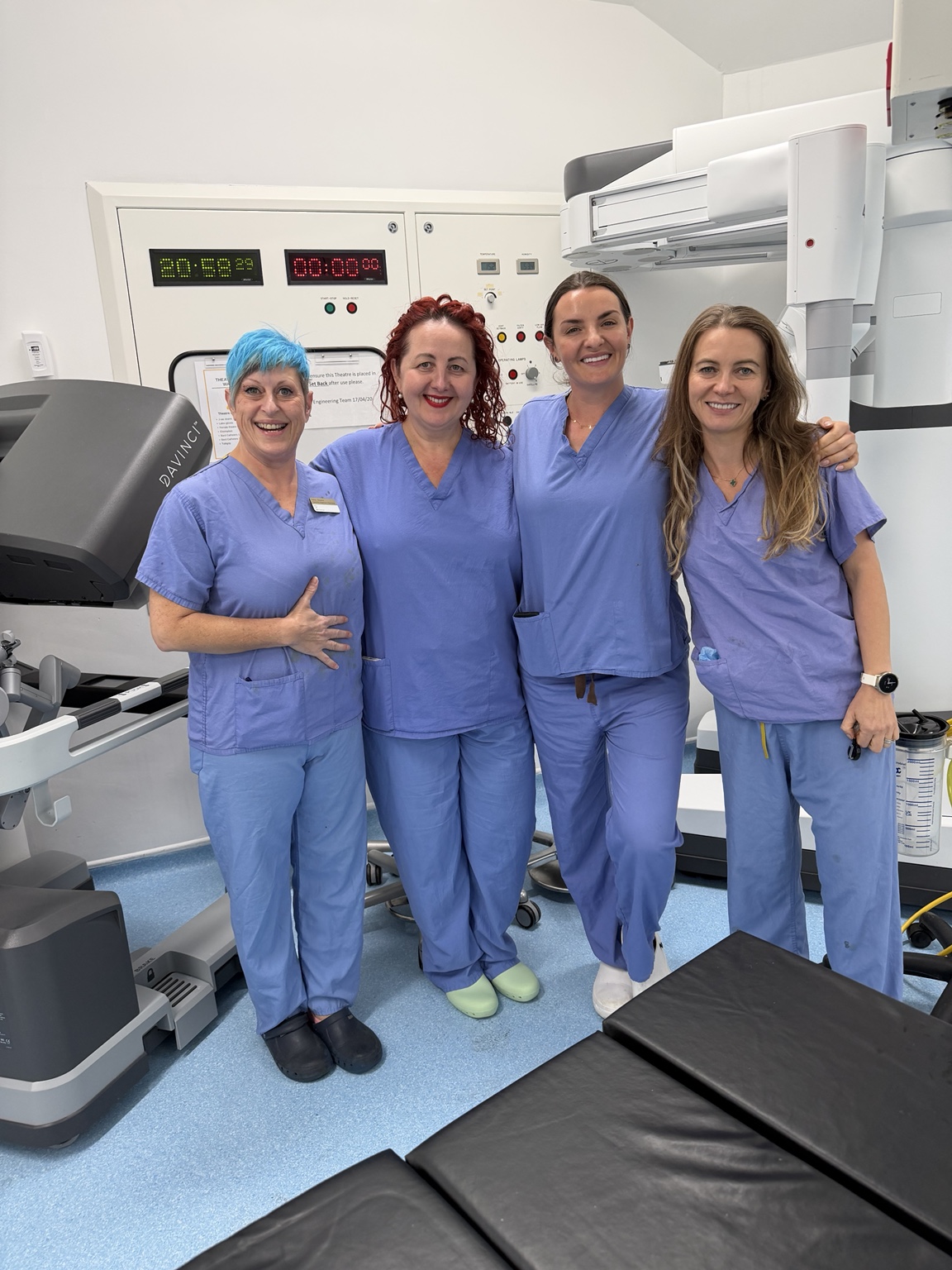
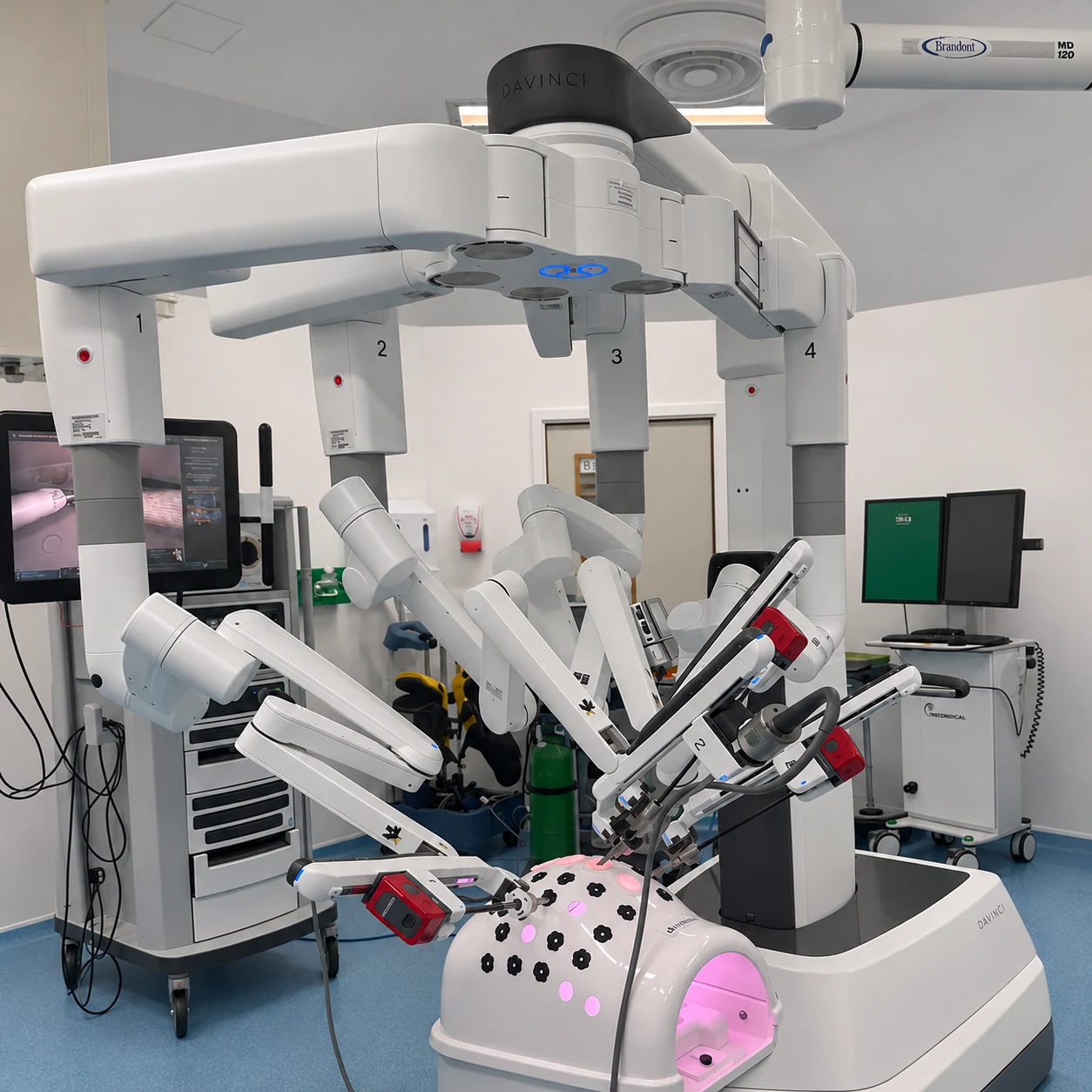
Robot-assisted surgery is a form of keyhole surgery. A surgeon uses a console to control instruments and view the operation through a magnified three-dimensional camera image. Other members of the theatre team remain at your side.
Both consultants offer advanced laparoscopic and da Vinci robot-assisted surgery where appropriate. Suitability depends on the operation and your circumstances.
The alternatives matter
Conventional laparoscopy, vaginal surgery, open surgery or non-surgical treatment may also be options. Small incisions do not mean that the internal operation is minor, and the underlying procedure determines much of the recovery.
Ask why the proposed route is suitable for you and what would lead the team to change approach during surgery.
What comparative research can tell us
A 2026 evidence review found no statistically significant difference between robotic and conventional laparoscopic endometriosis surgery for most reported short-term outcomes. Conventional laparoscopy was generally quicker. The evidence does not establish that one route gives everyone better long-term pain, fertility or recurrence outcomes.
Comparative studies vary in patients, operations and teams. A treatment recommendation should explain how that evidence applies to your situation.
Before deciding
- What is the goal of the operation?
- Why do you recommend this route?
- What are the main risks and alternatives for me?
- What experience does the team have with this procedure?
- What support and follow-up will I need?
Information sources
- Leeds Teaching Hospitals: robotic-assisted gynaecological surgery
- The Robotic Trade-Off in Endometriosis Surgery, 2026 review
General information to support your consultation. Individual assessment is needed to decide on treatment.